

Chronic Medical Conditions in Thailand
For many expatriates, Thailand offers an exceptional quality of life. Affordable living costs, modern private hospitals, warm weather, and a relaxed lifestyle continue to attract retirees, digital nomads, business professionals, and long-term residents from around the world.
However, one issue that many expats underestimate is the growing impact of chronic medical conditions in Thailand and how these conditions can dramatically affect future health insurance eligibility, long-term medical costs, and overall quality of life.
Many expatriates only begin researching private health insurance in Thailand after developing medical problems. Unfortunately, by that stage, insurers may classify those illnesses as pre-existing or chronic conditions, which can lead to exclusions, higher premiums, or even declined applications.
Understanding what chronic conditions are, how insurance companies define them, and how expats can reduce their long-term health risks is essential for anyone planning to live in Thailand long-term.
What Is a Chronic Medical Condition?
A chronic medical condition is generally defined as a disease, illness, or health disorder that continues over an extended period of time and usually requires ongoing medical management, monitoring, or treatment.

Unlike short-term illnesses such as seasonal infections or minor injuries, chronic conditions often develop slowly and may progressively worsen over time.
In the insurance industry, a chronic condition is usually considered any illness or medical issue that:
- Continues indefinitely
- Has no permanent cure
- Requires ongoing medication or monitoring
- Is likely to recur
- Needs long-term specialist care
- Requires rehabilitation or lifestyle management
- Causes permanent degeneration or deterioration
- Has been medically diagnosed as chronic
For expats living in Thailand, understanding this definition is extremely important because insurers assess risk very carefully when issuing private medical insurance policies.
Even relatively common conditions such as controlled hypertension or chronic back pain may eventually fall under chronic condition underwriting.
How Health Insurance Companies Define Chronic Conditions in Thailand
Health insurance companies in Thailand use detailed underwriting guidelines when assessing applications for expat medical insurance.
Most insurers consider a condition chronic if it requires ongoing medical attention or shows signs of long-term progression.
Insurance companies typically review:
- Medical records
- Previous diagnoses
- Blood test results
- MRI and X-ray reports
- Prescription history
- Specialist consultations
- Hospital admissions
- Physiotherapy records
A condition does not necessarily need to be severe before being classified as chronic.
For example:
- Persistent lower back pain requiring repeated treatment
- Ongoing cholesterol medication
- Controlled diabetes
- High blood pressure
- Osteoarthritis
- Asthma
- Sleep apnoea
- Degenerative spinal changes
may all be treated as chronic conditions by insurers operating in Thailand.
This is one reason why securing comprehensive expat health insurance in Thailand while still healthy is so important.
Why Chronic Conditions Matter for Expats Living in Thailand
Many expatriates assume they can simply purchase medical insurance later if they develop health problems. Unfortunately, this is often not the case.
Once a chronic condition is diagnosed, insurers may:
- Exclude the condition permanently
- Increase premiums substantially
- Apply waiting periods
- Limit treatment cover
- Decline future applications entirely
This becomes particularly important for retirees living in Thailand, where long-term healthcare costs can escalate quickly.
Although Thailand has excellent private healthcare facilities, major medical procedures can be expensive without suitable insurance cover.
Examples include:
- Hip replacement surgery
- Spinal surgery
- Cardiac procedures
- Cancer treatment
- Long-term rehabilitation
- Respiratory treatment
- Chronic disease management
Having a comprehensive private health insurance policy in Thailand provides financial protection and access to high-quality private hospitals throughout the country.
The Most Common Chronic Medical Conditions Diagnosed in Thailand
Thailand has experienced a steady increase in non-communicable diseases over the past decade, particularly in urban areas and ageing populations.
The most common chronic illnesses affecting expats and retirees in Thailand include:
Hypertension (High Blood Pressure)

Hypertension is one of the most frequently diagnosed chronic conditions in Thailand.
Often referred to as a “silent killer,” uncontrolled blood pressure can lead to:
- Stroke
- Heart disease
- Kidney damage
- Vision problems
Many expats are diagnosed during routine health screenings after relocating to Thailand.
Type 2 Diabetes
Thailand continues to see rising rates of Type 2 diabetes due to:
- Sedentary lifestyles
- Poor dietary habits
- Obesity
- High sugar intake
- Reduced physical activity
Diabetes is considered a major chronic illness by insurers and may lead to long-term complications affecting:
- Eyes
- Kidneys
- Nerves
- Cardiovascular health
High Cholesterol and Cardiovascular Disease

Elevated cholesterol is extremely common among expatriates living in Thailand, particularly those who frequently dine out or consume processed foods and alcohol.
Cardiovascular disease remains one of the leading health risks globally and is a major concern for insurance companies.
Chronic Respiratory Conditions
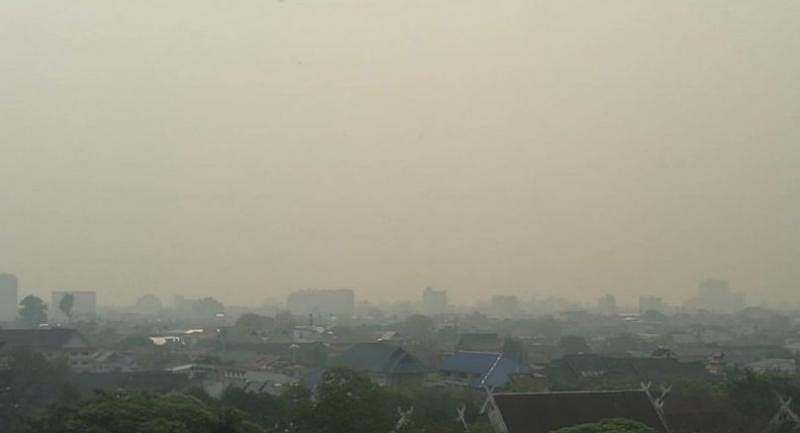
Air pollution in Thailand, particularly in Northern Thailand during burning season, contributes to respiratory illnesses such as:
- Asthma
- Chronic bronchitis
- COPD
- Lung inflammation
Cities commonly affected include:
- Chiang Mai
- Chiang Rai
- Lampang
Long-term exposure to PM2.5 pollution can significantly increase chronic respiratory risks for older expats and retirees.
Degenerative Bone Diseases and Orthopaedic Problems in Thailand
One of the fastest-growing health concerns among ageing expats in Thailand is degenerative bone and joint disease.
Many expatriates relocate to Thailand expecting a more relaxed lifestyle, but reduced physical activity combined with ageing often accelerates musculoskeletal deterioration.
Common Degenerative Bone and Joint Conditions
The most common orthopaedic conditions diagnosed among expats in Thailand include:
- Hip osteoarthritis
- Degenerative disc disease
- Chronic lower back pain
- Cervical spine degeneration
- Knee osteoarthritis
- Osteoporosis
- Sciatica
- Spinal stenosis
- Herniated discs
Hip Deterioration and Osteoarthritis in Expats

Hip degeneration often develops gradually over many years.
Cartilage within the hip joint slowly wears away, leading to:
- Pain when walking
- Stiffness
- Reduced mobility
- Chronic inflammation
- Difficulty climbing stairs
- Limping
- Sleep discomfort
Many retirees living in Thailand only seek treatment once symptoms become severe.
By this stage, MRI scans and specialist consultations often establish a documented chronic orthopaedic condition that insurers may exclude from future cover.
Advanced hip osteoarthritis may eventually require:
- Hip replacement surgery
- Joint resurfacing
- Long-term physiotherapy
- Pain management treatment
Private hip replacement surgery in Thailand can be costly without proper medical insurance.
Degenerative Spine Conditions in Thailand
Spinal degeneration is also becoming increasingly common among long-term expatriates.
Contributing factors include:
- Poor posture
- Sedentary lifestyles
- Lack of resistance training
- Age-related degeneration
- Previous injuries
- Excess body weight
Over time, spinal discs begin losing hydration and elasticity, leading to:
- Disc compression
- Nerve impingement
- Chronic inflammation
- Sciatica
- Reduced mobility
- Persistent back pain
Many expats unknowingly worsen these conditions through inactivity and delayed treatment.
Once degenerative spine disease appears on medical records or imaging reports, it often becomes difficult to obtain future cover for spinal treatment.
Preventative Measures Expats in Thailand Can Take
Preventative healthcare is one of the most important strategies for protecting both health and future insurability.
Expats living in Thailand can significantly reduce their long-term risk of chronic illness through proactive lifestyle management.
Prioritise Regular Exercise


Portrait of mature man with a water bottle at the gym
One of the biggest mistakes many retirees make is reducing physical activity after relocating to Thailand.
Focus on:
- Resistance training
- Walking
- Swimming
- Mobility exercises
- Weight-bearing activities
- Core strengthening
Strength training is particularly important for preventing:
- Bone density loss
- Muscle deterioration
- Joint instability
- Falls
- Hip fractures
Maintain a Healthy Weight
Excess body weight increases stress on:
- Hips
- Knees
- Spine
- Cardiovascular system
Maintaining a healthy weight can dramatically reduce the risk of chronic disease progression.
Monitor Blood Pressure and Cholesterol
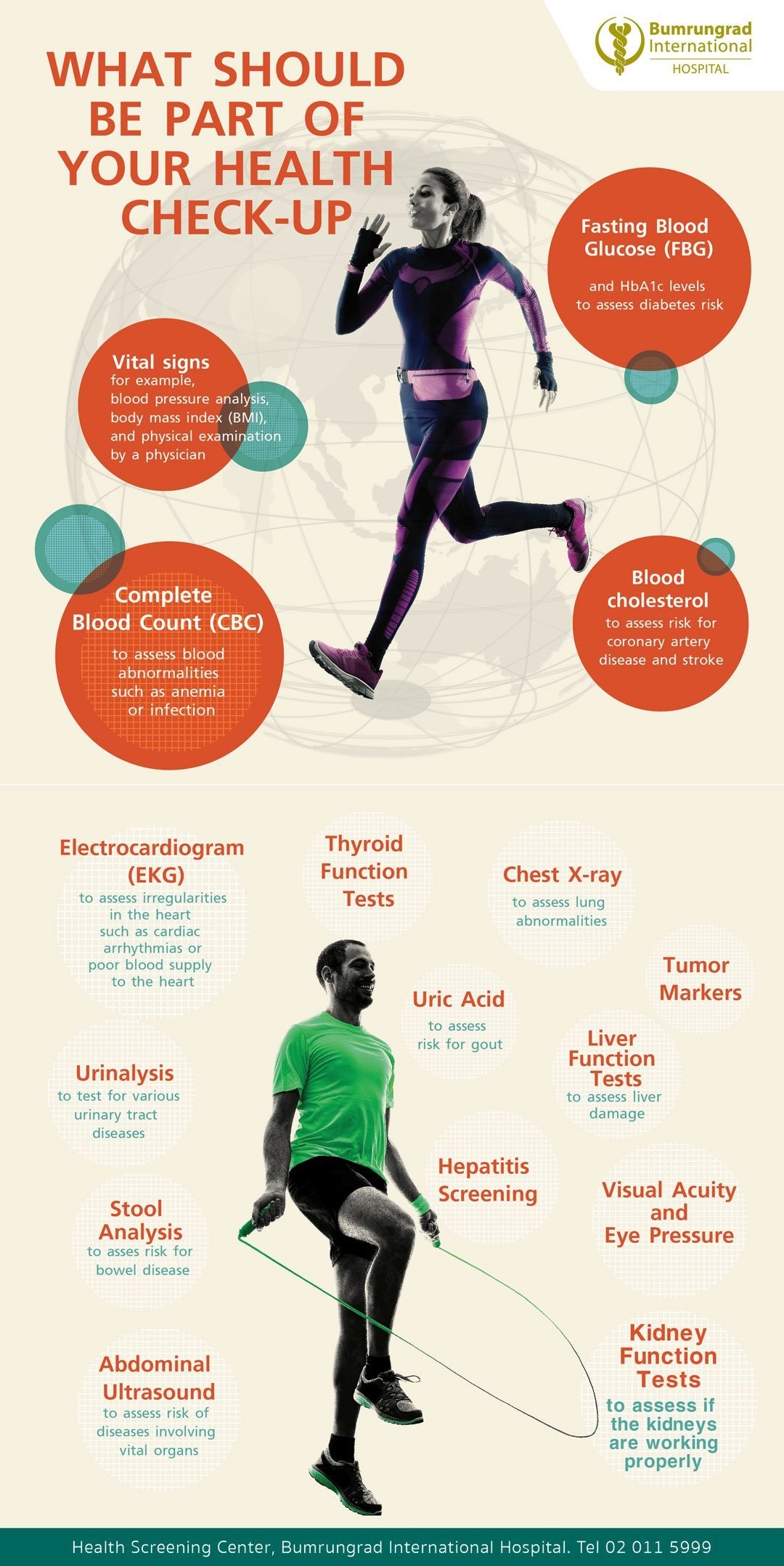
best to be forwarned
Annual health screenings in Thailand should include:
- Blood pressure testing
- Lipid profile
- Blood glucose checks
- Cardiovascular assessments
Early intervention often prevents more serious chronic diagnoses later.
Protect Respiratory Health
During Thailand’s burning season, expats should:
- Use HEPA air purifiers
- Monitor air quality indexes
- Limit outdoor activity on severe pollution days
- Wear filtration masks when necessary
Address Joint Pain Early
Persistent back pain or hip discomfort should never be ignored.
Early physiotherapy, strengthening, and orthopaedic assessment may help prevent permanent degeneration.
Why Good Medical Insurance Is Essential for Expats in Thailand
Living in a foreign country without adequate health insurance can expose expatriates to significant financial risk.
While Thailand offers excellent private healthcare, advanced treatment can become extremely expensive.
A comprehensive expat medical insurance policy in Thailand helps provide:
- Access to leading private hospitals
- Coverage for major surgery
- Emergency medical treatment
- Specialist consultations
- Diagnostic imaging
- Rehabilitation care
- International treatment options
Most importantly, securing insurance while healthy provides long-term protection before chronic conditions develop.
Final Thoughts for Expats Living in Thailand
Thailand remains one of the best destinations in Asia for expatriate living and private healthcare access.
However, the rise of chronic disease, cardiovascular illness, respiratory conditions, and degenerative bone disorders means that proactive health management has never been more important.
For expats living in Thailand long-term, the combination of:
- Preventative healthcare
- Active lifestyle management
- Early medical screening
- Comprehensive private health insurance
can make a significant difference to both long-term wellbeing and financial security.
Your health is one of your most valuable assets while living abroad. Protecting it early is far easier — and far less expensive — than trying to manage chronic conditions later. Contact our office today, to assist you in a Health Insurance policy that meets your needs.