How to Protect Your Arteries, Improve Circulation, and Prevent Serious Heart Problems in Thailand & Southeast Asia
Many people in Thailand and Southeast Asia experience leg pain, swelling, cold feet, or tired legs and assume it’s just aging, long working hours, or standing too much. In reality, these symptoms can be early warning signs of circulation problems, including Deep Vein Thrombosis (DVT) and Peripheral Artery Disease (PAD).
These conditions are becoming more common across Southeast Asia due to sedentary lifestyles, smoking, diabetes, high blood pressure, and poor diet habits. Understanding them early can prevent heart attacks, strokes, amputations, and life-threatening blood clots.
This article explains everything in simple terms—and shows how you can protect your arteries naturally.
What Is Deep Vein Thrombosis (DVT)?
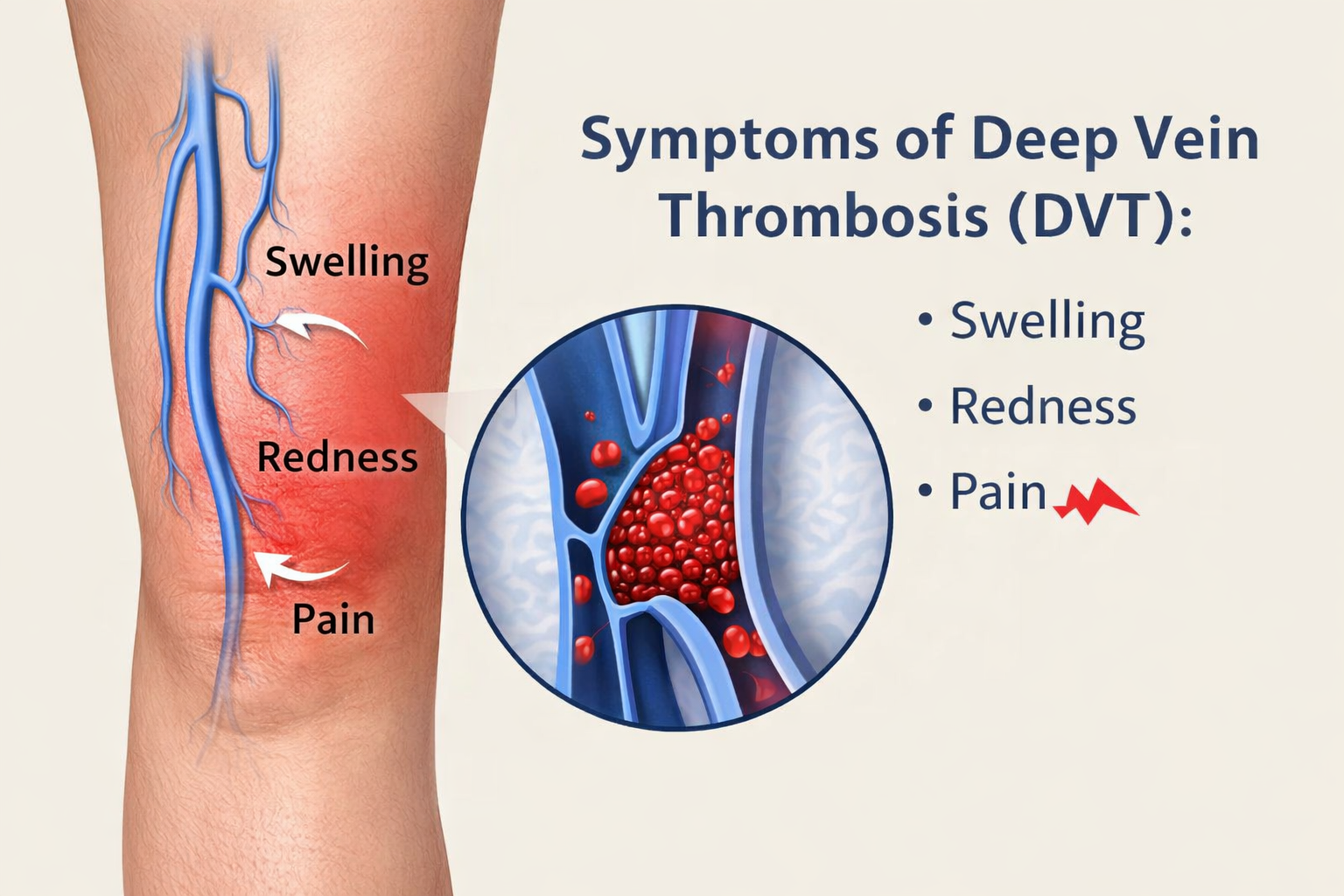
Deep Vein Thrombosis (DVT) occurs when a blood clot forms in a deep vein, usually in the leg. It often develops when blood flow slows down due to:
- Long hours of sitting (office work, driving, flights)
- Dehydration in hot weather
- Smoking
- Obesity
- Recent illness or surgery
The Common DVT symptoms in the legs are:
- Swelling in one leg (not both)
- Constant pain or tenderness
- Warmth or redness in the affected area
DVT is dangerous, as a clot can travel to the lungs and cause a pulmonary embolism, which is a medical emergency.
What Is Peripheral Artery Disease (PAD)?

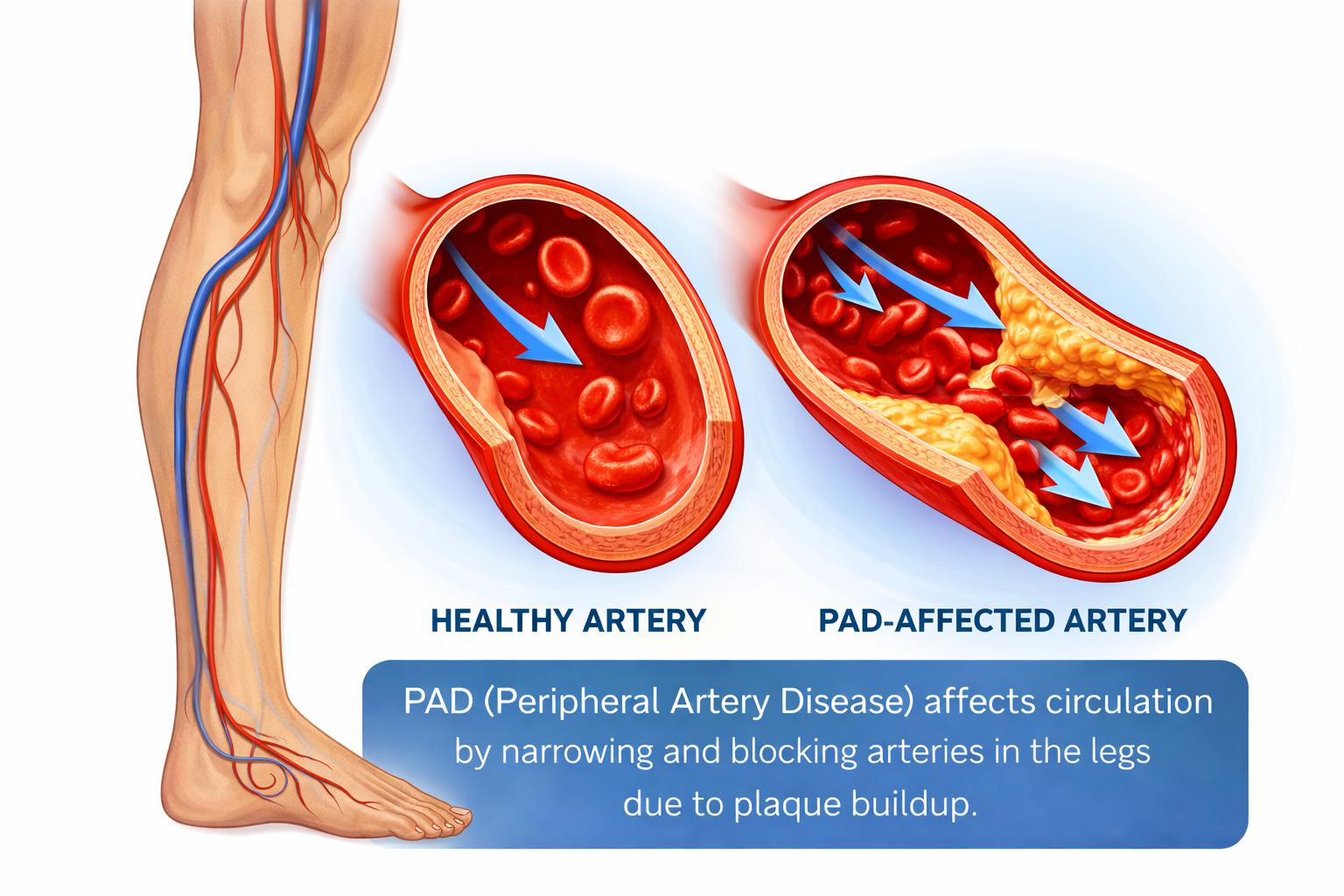
Peripheral Artery Disease (PAD) happens when arteries that supply blood to the legs become narrowed or blocked due to plaque buildup (fat, cholesterol, calcium).
PAD develops slowly and is often mistaken for “normal leg pain” or aging.
Should you experience the following PAD symptoms, DO NOT IGNORE :
- Leg pain or cramping while walking
- Pain that improves with rest but returns when walking again
- Cold feet or toes
- Numbness or weakness in legs
- Slow-healing wounds on feet
- Shiny skin or hair loss on legs
PAD is not just a leg problem—it is a strong warning sign of heart disease and stroke.
There a Link Between DVT and PAD.
Even though DVT affects veins and PAD affects arteries, both are part of poor overall vascular health.
Why DVT and PAD are connected
- Chronic inflammation damages blood vessels
- Smoking and diabetes harm artery and vein lining
- Thick blood increases clot risk
- Poor circulation affects the entire body
If you have PAD, your risk of DVT is higher. If you’ve had DVT, your arteries may already be unhealthy.
Who is most at Risk in Thailand and Southeast Asia to be effected?

Broadly speaking, many of us, irrespective of age are candidates, however, the following are more at risk:
Higher-risk age groups
- Over 40: Early artery stiffness begins
- Over 50: PAD risk rises significantly
- Over 60: Risk of both PAD and DVT increases
Having the following Lifestyle habits, they can that damage arteries


- Smoking or vaping
- Sitting for long hours
- Lack of exercise
- Diet high in fried or processed foods
- Low water intake in hot climates
- Chronic stress and poor sleep
Medical conditions that increase risk
- Diabetes
- High blood pressure
- High cholesterol
- Obesity
- Family history of heart disease
Why Keeping Your Arteries Clean and Flexible Is So Important
DVT
Healthy arteries are:
- Smooth and flexible
- Able to expand and contract easily
- Efficient at delivering oxygen
Unhealthy arteries:
- Increase heart attack risk
- Reduce blood flow to legs and feet
- Cause slow wound healing (especially dangerous for diabetics)
- Raise stroke and kidney disease risk
Artery plaque cannot be completely reversed—but it can be slowed, stabilized, and prevented from worsening.
Medical Treatment Options (When Needed)
Doctors may recommend the following:
- Blood thinners (for DVT)
- Cholesterol-lowering medication
- Blood pressure or diabetes medication
- Supervised walking programs
- Minimally invasive procedures (angioplasty or stents)
Medication works best when combined with daily lifestyle changes.
Natural Ways to Improve Circulation and Artery Health



Daily habits that protect your arteries
- Walk at least 30 minutes a day
- Do light strength training 2–3 times weekly
- Quit smoking (the biggest single improvement)
- Sleep 7–8 hours nightly
- Practice stress management (meditation, prayer, breathing)
Consistency matters more than intensity.
These are the Best Foods for Healthy Arteries (Common in SE Asia)
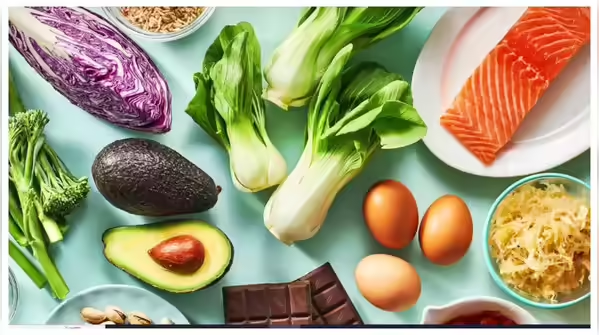

- Oats (lower bad cholesterol)
- Walnuts (omega-3 fats)
- Moringa (drumstick leaves)
- Fenugreek (methi)
- Curry leaves
- Fish, legumes, vegetables, fruits
Try to avoid:
- Fried street foods (frequent consumption)
- Sugary drinks
- Refined white carbs
- Trans fats
Healthy Drinks That Support Artery Health
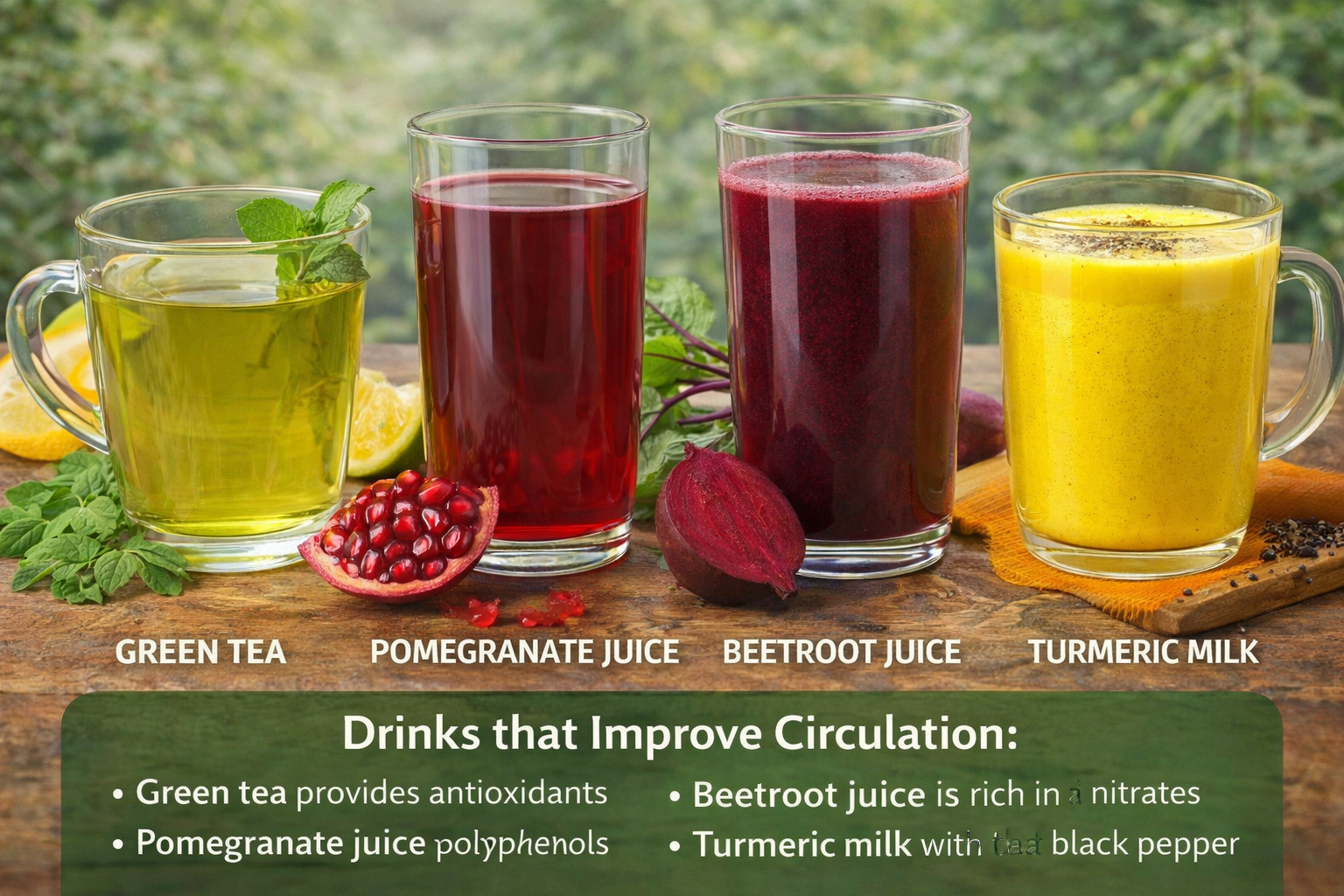
Artery Cleansing Drinks
No drink “cleans” arteries instantly, but these help reduce inflammation and improve blood flow:
- Green tea
- Unsweetened pomegranate juice
- Beetroot juice
- Turmeric milk (with black pepper)
- Plenty of plain water
Staying hydrated is especially important in hot Southeast Asian climates.
Warning Signs You Should Never Ignore

- Leg pain when walking
- Swelling in one leg
- Cold or numb feet
- Wounds that don’t heal
- Sudden shortness of breath (emergency)
Early diagnosis can save limbs and lives.
Prevention Is Powerful
DVT and PAD develop quietly over years—but they respond positively to small daily changes.
Protecting your arteries means:

Walking in the park
- Moving your body regularly
- Eating real, whole foods
- Staying hydrated
- Managing stress
- Avoiding smoking
- Getting early medical advice when symptoms appear
Your arteries support every organ in your body. Take care of them—and they will take care of you.
Needing Medical Insurance advise, contact us here for a free proposal.