by Steve Hockaday | Oct 15, 2026 | Health Insurance Thailand
Medical Insurance for Expats in Southeast Asia: Let’s Have an Honest Chat!
Have you ever looked at the cost of medical insurance and thought, “There’s no way I’m paying that every year!”?
Or perhaps you’ve already got a few health problems, you’ve reached an age when insurance premiums start getting uncomfortable, and you’ve quietly wondered whether there’s any point in even applying.
If any of that sounds familiar, you’re certainly not alone.
Living in Southeast Asia can be a wonderful experience. Whether you’ve settled in Thailand, Vietnam, Cambodia, Malaysia, Indonesia or somewhere else in the region, one of the attractions is that life can sometimes be more affordable than back home.
You might enjoy a better lifestyle, eat out more often, travel a little further and generally get more from your money.
read more
by Steve Hockaday | Aug 21, 2026 | Health Insurance Thailand
Staying Healthy and Protecting Yourself as an Expat in Thailand
There is something wonderfully easy about life in Thailand.
A morning coffee can become an hour. Lunch turns into a social occasion. The weather encourages you to slow down, and there is always another restaurant, market, beach, golf course or café to enjoy.
But that easy lifestyle can have a downside.
You may walk less, sit more, eat larger portions and exercise less often than you did before. None of it seems particularly serious at first. Then, slowly, the extra weight appears. Your strength declines. Stairs become harder. You get tired more easily.
read more
by Steve Hockaday | Jul 10, 2026 | Health Insurance Thailand
Chronic Medical Conditions in Thailand
For many expatriates, Thailand offers an exceptional quality of life. Affordable living costs, modern private hospitals, warm weather, and a relaxed lifestyle continue to attract retirees, digital nomads, business professionals, and long-term residents from around the world.
However, one issue that many expats underestimate is the growing impact of chronic medical conditions in Thailand and how these conditions can dramatically affect future health insurance eligibility, long-term medical costs, and overall quality of life.
Many expatriates only begin researching private health insurance in Thailand after developing medical problems. Unfortunately, by that stage, insurers may classify those illnesses as pre-existing or chronic conditions, which can lead to exclusions, higher premiums, or even declined applications.
Understanding what chronic conditions are, how insurance companies define them, and how expats can reduce their long-term health risks is essential for anyone planning to live in Thailand long-term.
read more
by Steve Hockaday | Jan 16, 2026 | Health Insurance Thailand
I don’t need medical insurance ! Why Health Insurance in Thailand Is Essential for Expats
Many people say, “I’m healthy, I don’t need medical insurance.” If only life were that predictable. Most people feel perfectly well right up until the moment something unexpected happens. It is also common to meet expats who have paid for medical insurance for years without making a claim and start questioning whether it is worth keeping. While that feeling is understandable, it can be a costly assumption.
For expats living in Thailand, health insurance is not a luxury and it is certainly not something to think about only after something goes wrong. It is an essential part of sensible financial planning. Healthcare standards and medical costs across Thailand can vary dramatically, and while excellent care is widely available, it can be extremely expensive without proper cover in place.
read more
by Steve Hockaday | Jan 9, 2026 | Health Insurance Thailand
How to Protect Your Arteries, Improve Circulation, and Prevent Serious Heart Problems in Thailand & Southeast Asia
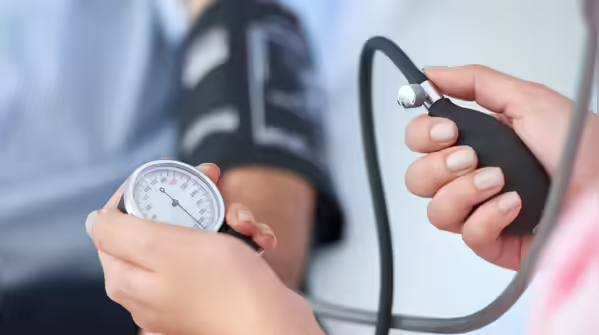
Many people in Thailand and Southeast Asia experience leg pain, swelling, cold feet, or tired legs and assume it’s just aging, long working hours, or standing too much. In reality, these symptoms can be early warning signs of circulation problems, including Deep Vein Thrombosis (DVT) and Peripheral Artery Disease (PAD).
These conditions are becoming more common across Southeast Asia due to sedentary lifestyles, smoking, diabetes, high blood pressure, and poor diet habits. Understanding them early can prevent heart attacks, strokes, amputations, and life-threatening blood clots.
This article explains everything in simple terms—and shows how you can protect your arteries naturally.
read more
by Steve Hockaday | Dec 15, 2025 | Health Insurance Thailand
A Professional Guide for Digital Nomads Making Money Online
The workforce of the 21st century has changed forever. With laptops, smartphones, and reliable internet, more people are choosing where they live based on lifestyle—not office location. This shift has given rise to Digital Nomads, remote workers, and expats working from home, many of whom are now making money online while living abroad.
Thailand has become one of the most popular destinations for this modern workforce. With affordable living costs, warm weather, strong internet infrastructure, and a welcoming culture, it is easy to see why Expats in Thailand continue to grow in number.
However, while remote work offers freedom and flexibility, it also comes with responsibilities—especially when it comes to medical insurance.
Why Thailand Is a Top Choice for Digital Nomads
 read more
by Steve Hockaday | Nov 25, 2025 | Health Insurance Thailand
Staying Hydrated in Thailand: A Personal Guide for Expats
Finding Your Perfect Water Balance in Thailand’s Heat
When I first moved to Thailand, I’ll admit I didn’t think much about my water intake. Like many expats, I was too busy enjoying the vibrant culture, delicious food, and beautiful beaches. But the tropical climate here has a way of reminding you about hydration – usually through headaches, fatigue, or that general “drained” feeling after just a few hours in the heat.
My Personal Water Strategy
Most health guides will tell you that men need about 3–3.5 liters daily and women need 2–2.5 liters. But here’s what I’ve learned living in Bangkok – those numbers were created for milder climates, not for places where you’re sweating by 8 AM.
In my experience, you really need an extra half-liter to full liter beyond those recommendations, depending on how active you are. The secret I’ve found? Keep a one-liter bottle with you everywhere. When I finish three of those in a day, I know I’m on the right track.
Why Water Became My Secret Weapon in Thailand
I used to think of water as just something to quench thirst. But after my first year here, I realized it’s so much more. Proper hydration has become my foundation for thriving in this climate.
When I drink enough water, I notice I can think more clearly even in the afternoon heat. My skin looks healthier despite the sun exposure read more
by Steve Hockaday | Nov 18, 2025 | Health Insurance Thailand

Accidents Happen: A Lesson in DIY Safety and Eye Injury Prevention
Everyday tasks often seem harmless—until they aren’t. I recently learned firsthand how quickly a normal day can turn into a medical emergency, and why having medical insurance and practicing DIY safety are so important.
The Day That Changed My Perspective
Just another weekend, I decided to finally organize my tool room. I built new shelving, sorted through years of accumulated tools and gadgets, and rediscovered items I had long forgotten about.
Everything was going smoothly—until it wasn’t.
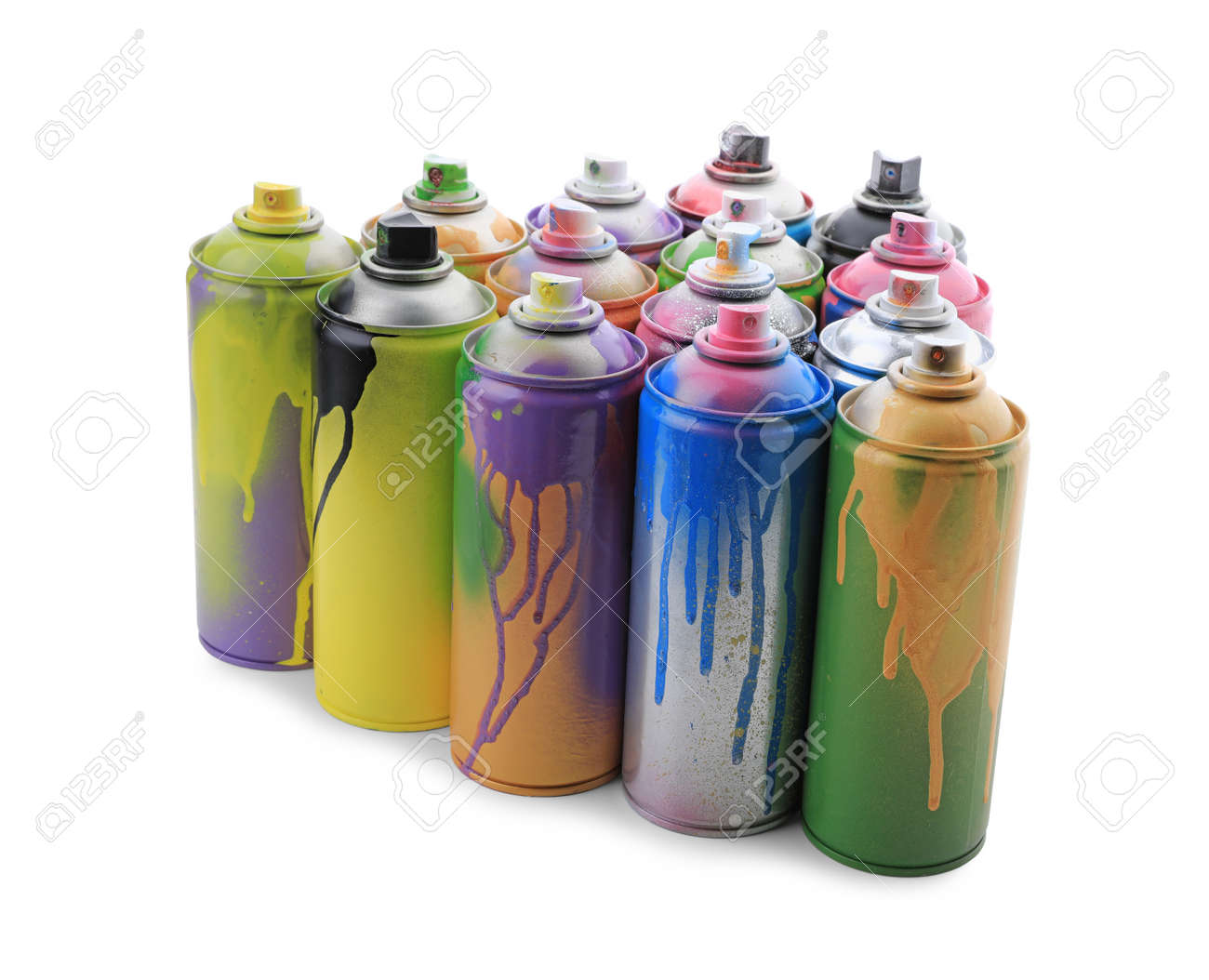
While moving a small shelving unit holding my spray paint cans, one can toppled over. In an instant, a powerful burst of spray paint exploded directly into my face. My eyes slammed shut. Suddenly, I was blind—unable to see anything around me.
read more
by Steve Hockaday | Oct 9, 2025 | Health Insurance Thailand
As we get on through life, we tend to become complacent, get into comfort zones take things day by day.
We blame all those aches and pains on “ getting older”. The fact is, it is not age, but bodily neglect in most cases.
Yes, we did some crazy and possibly stupid things in our younger years, some could be occupational related. We have in most cases, just become LAZY !
The aim over the coming weeks, is to bring to peoples’ attention to some of the ailments that in one manner or another, effects us all.
There are many out there whom are conscious of their health and do implement certain healthy practices and eating habits.
Personally, I don’t like the use of the word “Diets”. For many, it means restriction of certain foods, measuring calories, etc.
Lets’ just go for improving the quality and watch our quality and quantity of food intake.
For those whom have either retired, living in the tropics, attained a good quality standard of life, we are not immune to health issues.
Forewarned is foreplaned.

Understanding Fatty Liver Disease (Hepatic Steatosis)
read more
by Steve Hockaday | Mar 10, 2025 | Health Insurance Thailand
A Health Guide for Men to Understanding and Preventing Hemorrhoids:
Hemorrhoids, also known as piles, are a common yet often uncomfortable condition that affects many men worldwide. Despite the stigma and discomfort associated with discussing this issue, it is crucial to understand what hemorrhoids are, how to recognize their symptoms, and how to prevent and treat them effectively. This article is designed to provide men with a comprehensive understanding of hemorrhoids and give practical advice on prevention and treatment.
What Are Hemorrhoids?
Hemorrhoids refer to swollen blood vessels in the lower part of the rectum and anus, collectively called the anorectum. These veins can become engorged, causing pain, irritation, and sometimes bleeding, especially during bowel movements. The anorectum is highly vascular, meaning it is rich in blood vessels that are susceptible to swelling. This can occur due to a variety of factors like excessive straining, poor diet, and lifestyle choices.
While hemorrhoids can affect anyone, they tend to be more common as men age. Other contributing factors include obesity, chronic constipation, and sitting for extended periods, which is something men who work long office hours may experience. The good news is, hemorrhoids can be easily managed and even prevented with the right lifestyle changes and treatment options.

Key Symptoms of Hemorrhoids Men Should Look For
read more