
As we get on through life, we tend to become complacent, get into comfort zones take things day by day.
We blame all those aches and pains on “ getting older”. The fact is, it is not age, but bodily neglect in most cases.
Yes, we did some crazy and possibly stupid things in our younger years, some could be occupational related. We have in most cases, just become LAZY !
The aim over the coming weeks, is to bring to peoples’ attention to some of the ailments that in one manner or another, effects us all.
There are many out there whom are conscious of their health and do implement certain healthy practices and eating habits.
Personally, I don’t like the use of the word “Diets”. For many, it means restriction of certain foods, measuring calories, etc.
Lets’ just go for improving the quality and watch our quality and quantity of food intake.
For those whom have either retired, living in the tropics, attained a good quality standard of life, we are not immune to health issues.
Forewarned is foreplaned.
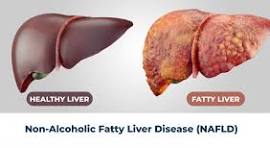
Understanding Fatty Liver Disease (Hepatic Steatosis)
What is Fatty Liver Disease?
Fatty liver disease occurs when excess fat builds up in the liver. While a small amount of fat in the liver is normal, when it reaches more than 5–10% of the liver’s weight, it becomes a health concern. There are two main types:
- Non-Alcoholic Fatty Liver Disease (NAFLD): Not related to alcohol use; often linked to lifestyle factors.
- Alcoholic Fatty Liver Disease (AFLD): Caused by excessive alcohol consumption.
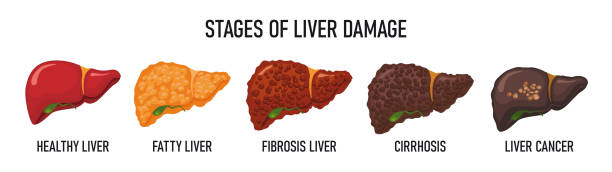
If left unaddressed, fatty liver can progress to more serious conditions such as non-alcoholic steatohepatitis (NASH), liver fibrosis, cirrhosis, or even liver cancer.
What are the Symptoms?
Fatty liver disease is often called a “silent” condition because many people experience no symptoms, especially in the early stages. However, when symptoms do occur, they may include:
- Fatigue or a general feeling of being unwell
- Discomfort or dull pain in the upper right abdomen
- Unexplained weight loss
- Weakness
- Yellowing of the skin or eyes (jaundice) – in advanced stages
- Swollen abdomen (ascites) or legs – in cases of cirrhosis
What Causes Fatty Liver Disease?
Fatty liver is primarily linked to metabolic and lifestyle factors. Common causes include:
- Obesity
- Insulin resistance and type 2 diabetes
- High cholesterol or triglycerides
- Poor diet, particularly high in sugar, refined carbohydrates, and saturated fat
- Excessive alcohol consumption (for AFLD)
- Rapid weight loss
- Certain medications, such as corticosteroids and some chemotherapy drugs
Who is at Risk?
Fatty liver can affect anyone, but certain groups are at higher risk:
- Age: Most common in people aged 40–60, but increasingly seen in younger adults and even children due to rising obesity rates
- Sex: Slightly more common in men, though postmenopausal women are also at higher risk
- Demographics: Higher prevalence in people of Hispanic, South Asian, and Middle Eastern descent
- Health Conditions: Those with obesity, type 2 diabetes, metabolic syndrome, hypertension, or high cholesterol
- Lifestyle: Sedentary lifestyle and unhealthy diet increase risk significantly
What Are the Risks If Left Untreated?
Untreated fatty liver can lead to:
- NASH (Non-Alcoholic Steatohepatitis): Inflammation and liver damage
- Fibrosis: Scarring of liver tissue
- Cirrhosis: Severe, irreversible liver damage
- Liver cancer
- Liver failure
- Increased risk of cardiovascular disease, which is the leading cause of death in people with NAFLD

Stages of liver destruction. Medical poster with liver. Set of liver vector illustration on a medical theme
What is the Treatment?
There is currently no specific medication approved to treat fatty liver disease directly, but it is very manageable—especially in the early stages. Treatment focuses on:
- Lifestyle Changes:
- Weight loss (even a 5–10% loss can reverse fat buildup)
- Healthy diet: Mediterranean-style diets are recommended
- Regular exercise: At least 30 minutes of moderate activity most days
- Avoid alcohol completely if possible
- Managing underlying conditions: such as diabetes or high cholesterol
- Medical Support:
- Nutritional counselling
- Medications to manage related conditions (diabetes, cholesterol, etc.)
- In severe cases, liver transplantation may be needed
What Costs Are Involved in Treatment?
Costs vary depending on the stage of the disease and healthcare system, but may include:
- Diagnostic tests: Blood tests, ultrasounds, MRI, or FibroScan (approx. $200–$2,000)
- Ongoing monitoring: Regular follow-ups, blood work, and imaging
- Consultations: With GPs, hepatologists, or dietitians
- Medications: For associated conditions like diabetes or high cholesterol
- Lifestyle programs: Weight loss, nutrition counselling, or gym memberships
- Advanced care: If liver damage progresses, costs for treating cirrhosis or cancer can be significant, possibly involving hospitalization or transplantation
Note: Costs can be significantly reduced with early detection and prevention.
What Preventative Measures Can a Person Take?
Prevention is not only possible—it’s highly effective. Key strategies include:
- Maintain a healthy weight
- Eat a balanced diet rich in fruits, vegetables, whole grains, lean proteins, and healthy fats
- Avoid excess sugar, processed foods, and saturated fats
- Exercise regularly
- Limit or avoid alcohol
- Manage chronic conditions like diabetes, high cholesterol, and hypertension
- Have regular check-ups, especially if you’re in a high-risk group
Final Thought:
Fatty liver disease is becoming increasingly common, but it’s also largely preventable and reversible—especially in its early stages. If you’re concerned about your liver health, speak with a healthcare provider for a proper assessment. Making small, sustainable lifestyle changes can significantly improve liver health and reduce long-term risks. Need to speak to our staff re Insurance, click HERE.
Disclaimer: This article is for information purposes only and not a substitute for medical advice. Please refer to your medical doctor for more professional advice.